On this page
If you have decided, or are still weighing up, becoming a professional forex trader, the first thing you will probably ask yourself is “How much money do I need to start trading forex?” or “What is the minimum amount for trading forex?”
This article will deal with questions like that and more, by giving you a starting point on how to trade forex, through telling apart the different account types and how much money each type of account needs.
Where you can start trading forex
There is a whole series of questions with different unknowns that you wonder about when you start trading forex, such as: will you use fundamental or technical analysis? Will you trade short term or long term? Will you trade rigidly on one specific system, or adjust it as each moment demands?… Questions like that are endless, but in the end they decide what you achieve in this market.
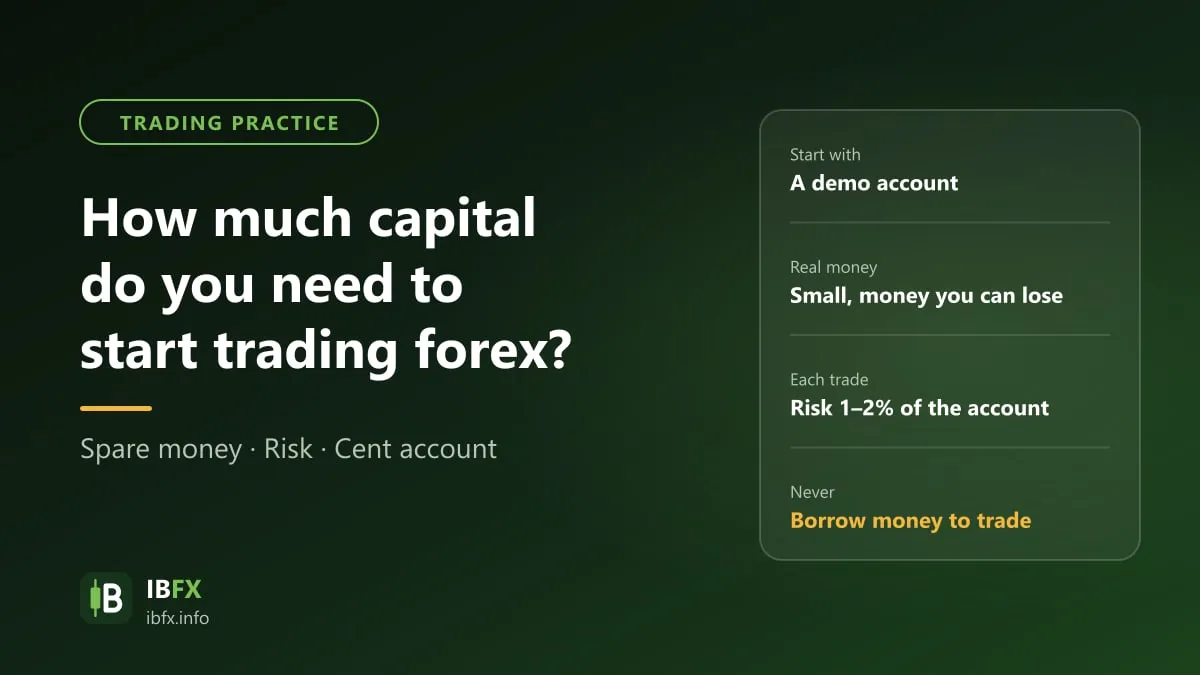
First of all, how much money do you need to start trading forex? The answer may be lower than you think – it really can start at 0. A demo account lets you experience the forex market without putting money at risk, since you can trade with virtual money.
Next, you need a trading platform that is easy to operate and trustworthy, and here we suggest MetaTrader 5 or MetaTrader 4, because both are fairly easy for beginners and it pairs a demo account with a live money account. First you can test your trading strategy on the demo account, then when you see that it works you can apply it on the live money account.
Part of learning is making mistakes, but you do not have to lose money to learn from those mistakes: use a virtual account to practice trading until you are fluent. Another side of forex trading is managing risk. Managing risk while trading is a matter of survival; you should risk at most 1–2% of your account on each trade. Before you make money in foreign exchange trading, you first have to survive.
The forex market: a market for everyone
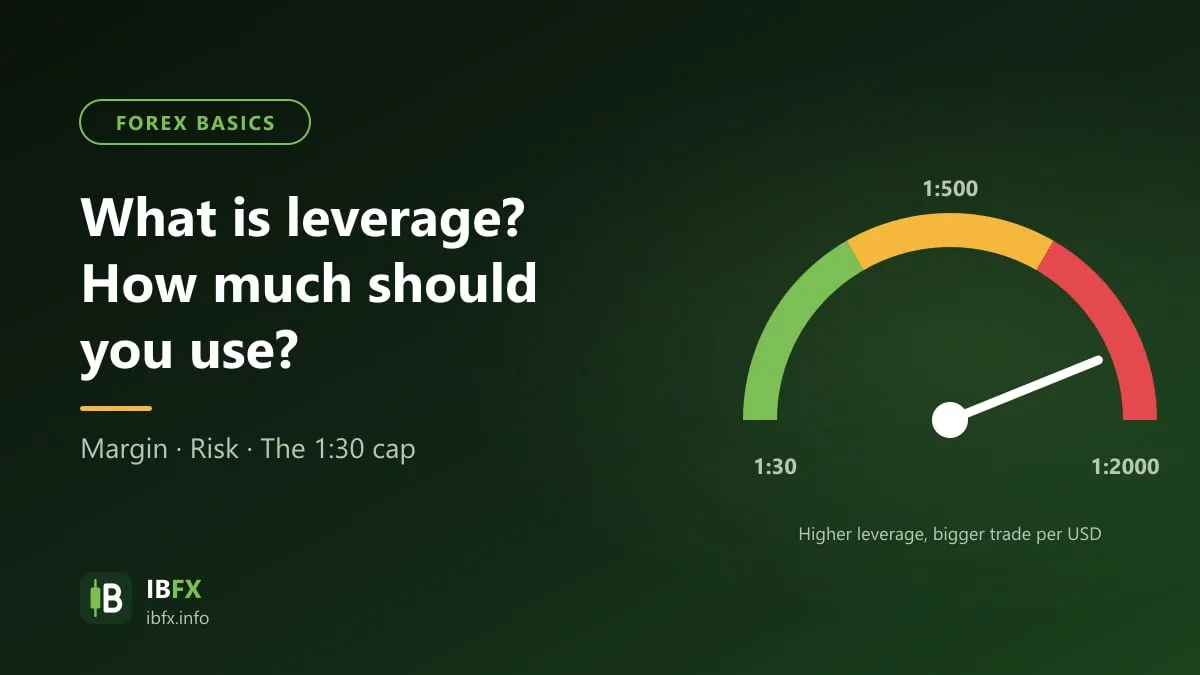
The forex market has enormous liquidity, especially in the major currency pairs, so the small volume of an individual trader has almost no effect on price. Another feature is that brokers allow high leverage: only a small amount of margin is needed to open a large position size, but that is also why a great many beginners blow up their accounts.
In short, you can start trading forex without needing very much money. Clearly you should not trade with an amount that is too large, beyond what you can afford to lose. Before you take part, look into the law on forex where you live, for example the legal position of forex in Vietnam.
How much money do you need to open a forex account?
Here it depends on the type of account and the broker you choose. Every forex broker has different margin requirements for each type of account, but most forex brokers allow an account to be opened with a small initial deposit. Many brokers only require a minimum deposit of about 100 USD, and some are lower.
Be wary of the risk
Whether you are just starting out or already have experience, never trade with money you cannot afford to lose. When you weigh up whether you should trade forex, money is a big issue, and managing the risk that can arise while trading matters a great deal too. Trading can be a tense, high-pressure process. One simple way is to reduce your trading risk by risking a smaller amount.
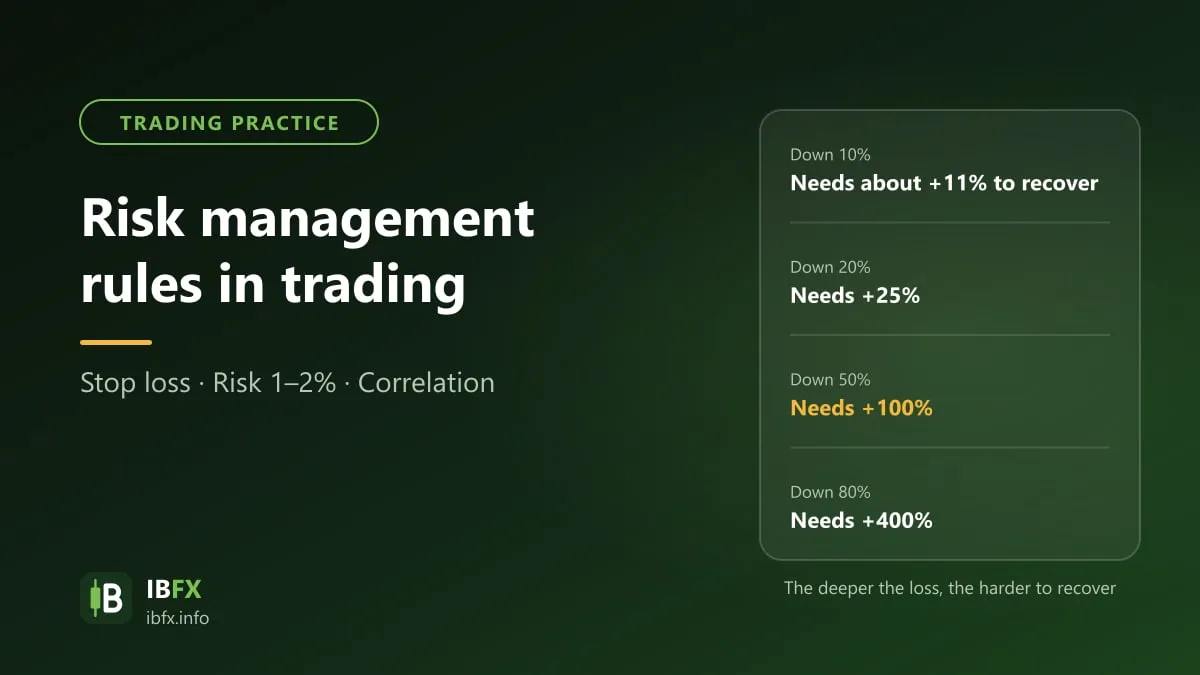
There is a risk management principle from professional traders: never risk more than 1-2% of your account on each trade you enter. To keep your trading account safe, use the 1% money management rule.
Usually with forex brokers the minimum size for opening a trading position is 0.01 lot. Suppose you buy 0.01 of EUR/USD. Then for each 1 pip this currency pair moves you gain or lose 0.1 USD.
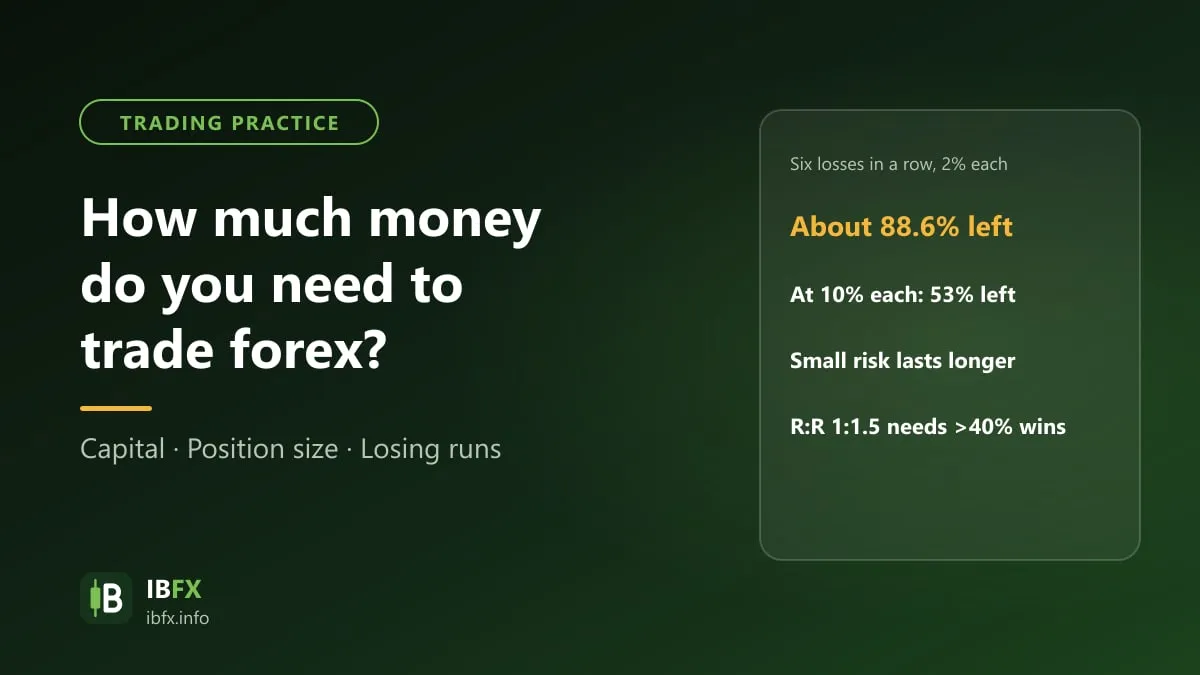
Putting a number on the level of risk in forex trading is difficult work. We can say broadly that the level of risk is the amount you are willing to lose when you close your trading positions. Accept a small amount rather than trading with an amount that is too large, because then your state of mind will easily slip out of control. Besides, trading at too large a level of risk may help you make a large amount of money in a short time, but it only takes a few losing trades like that and your trading account has almost nothing left in it.
One way to set the level of risk for each trade in advance is to place a stop loss. But note that an ordinary stop loss order will not be an absolute assurance, because sometimes there are gaps in price on days when the market is closed, or the market moves fast and lacks liquidity, and then you may be stopped out at a larger amount than the amount you set at the start. The chance of large slippage is not high, but you do need to be alert to it.
In short, a stop loss does not tell you the maximum loss you will have to take, but it gives you a rough and useful idea for facing the levels of risk the market brings. Suppose you place the stop loss 80 pips away: the theoretical risk here is that you lose 0.01 lot × 80 pips × 10 USD = 8 USD (on a pair with USD second, such as EUR/USD).
If we need 8 USD for each 1% of the account, then your trading account needs 800 USD. This is the amount you need in order to practice 1% money management with an average risk of 8 USD per trade. The figure comes out differently if your stop loss is wider or narrower than this example — the article on how much money you need to trade forex runs the same sum for other trading styles. This tells you that you can perfectly well start trading with a small trading account.
Besides that, look at price history with its sudden shocks (usually called “black swans”), for example on January 15, 2015 the Swiss franc rose about 30% against the euro in just a few minutes. Make sure your trading volume is small enough for your account to take shocks like that.
Many beginners set themselves the goal of living off trading profits right from the start. At a safe risk level of 1–2% per trade, an account of a few hundred dollars cannot produce an income you could live on; to do that you would have to raise the risk, and then a single long run of losses could blow the account away. Treat the early stage as a stage of learning, and keep the risk small.
In closing
When you are new to forex trading, be careful and manage your money sensibly. You do not need very much money to trade forex. You can start with an account of a few hundred dollars and a small trading position size, after you have practiced on a demo account. If you last in the market long enough, you will have the time to find a trading method that suits you, though nothing assures a profit.
There is one more thing to consider: if you look closely, the people who trade forex are usually hard workers. The more effort you put in, the more chance of success you have. So when you face a new challenge in the market, be truly determined and take the time to get past it. Effort and discipline give you the chance to trade at a profit, though nothing assures that either. Only use money you can afford to lose.